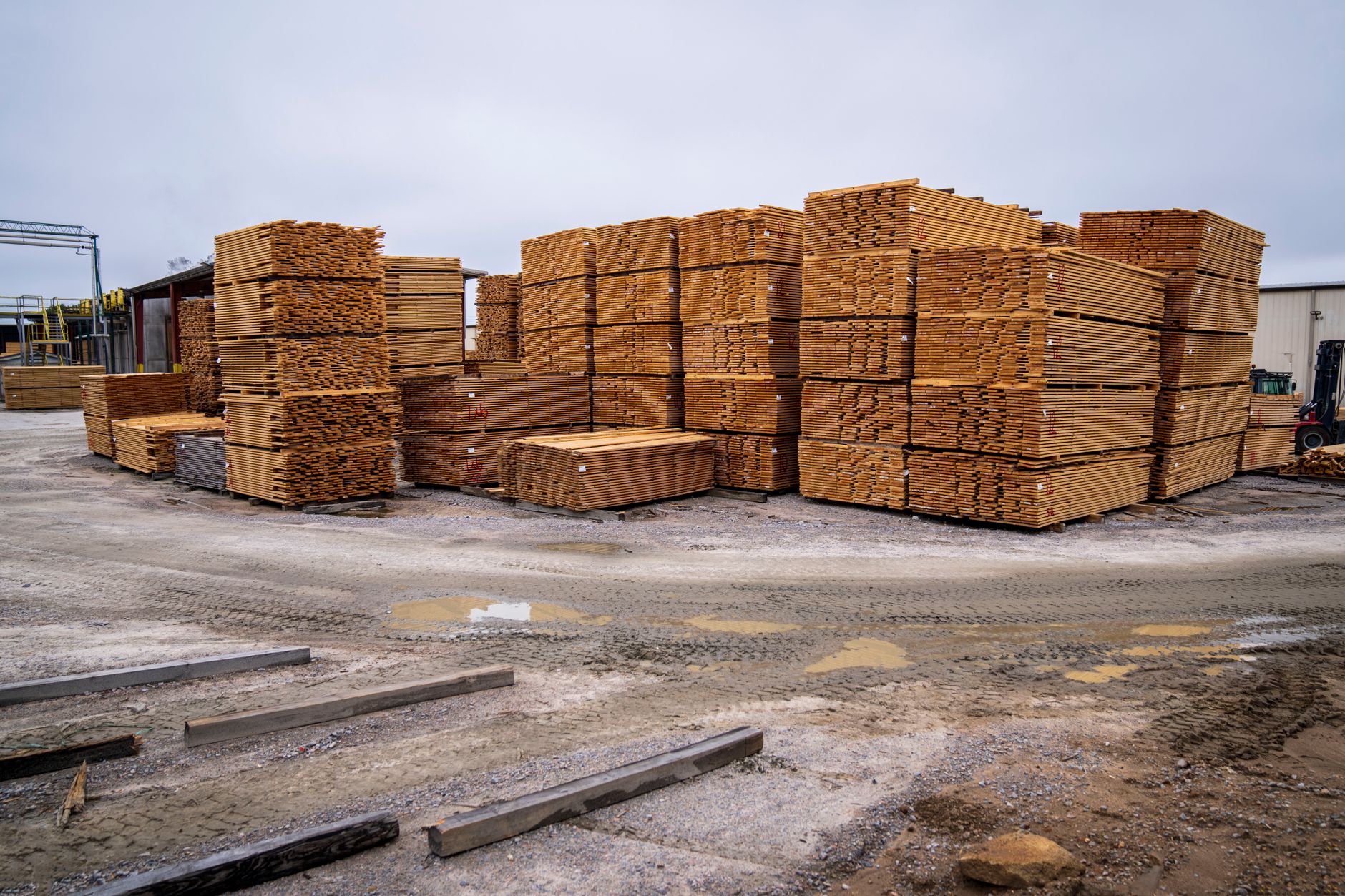
Choosing a Roofing and Building Material Supplier
Finding the right materials supplier matters more than most people realize. A good supplier knows the differences between grades, understands why a spec matters, and can help you catch mistakes before they become expensive problems. The wrong supplier — one that just takes orders and ships commodity products — can leave you with undersized components, incompatible materials, or delivery problems that wreck a timeline and blow a budget. This guide covers what makes a roofing or metal-building supplier worth working with, and which questions to ask before committing an order.
Supplier quality usually tracks with size, but not always in the direction most people expect. A small local supplier with deep knowledge often outperforms a big-box option, and a regional specialist can offer better pricing than a national distributor simply because they stock fewer SKUs and understand their market inside out. The metric isn't volume or brand recognition — it's whether they can answer technical questions without hedging and whether they'll push back when a spec looks wrong or incomplete.
Most people pick a supplier based on price or convenience, which is understandable and often wrong. A supplier who's slightly more expensive but keeps the material in stock and catches your errors saves you money in the long run. Conversely, a bottom-dollar option that substitutes materials without asking or misses a delivery window by three weeks costs you far more than the savings you thought you were getting.
How to Use It
Before you call a supplier, know what you're ordering down to the details: the exact gauge, coating type, length, mill finish, and any special requirements your design calls for. If you can't articulate that in thirty seconds without referring to notes, talk to your designer or contractor first — showing up with a vague request gets you vague answers and wasted time on both sides. Once you're ready with specifics, ask these three foundational things: do they carry the exact product you need in current stock, can they deliver on your timeline without delay, and will they talk you through any substitutions if your first choice isn't available due to lead time or supply changes. A supplier who hesitates on any of those three is telling you they're not equipped to be your partner on this project.
Common Sticking Points
The most common mismatch happens when a supplier ships a lower-grade product because it's cheaper and technically meets a vague spec. If your spec says "galvanized steel flashing, 26 gauge," that's not vague enough — you need to specify paint system, fastener holes or lockseam detail, mill finish preference, and whether you need mill or painted surfaces. A reputable supplier will ask for those details before confirming the order and confirming stock. They'll also tell you when a material isn't in stock and offer a realistic timetable for ordering and delivery, rather than promising next-week delivery and substituting something else without your approval. Expect long lead times on specialty items in busy seasons and confirm everything in writing before placing the order, including a deposit if required and a clear cancellation policy.